
Golf buggy summer heat: how to store and charge the battery in an Australian summer
Golf buggy summer heat battery storage: How heat affects a lithium golf buggy battery, where to park and charge in summer, and what the Queensland Fire Department and MGI say about storage.
Why heat matters for a lithium battery
Lithium batteries do not like extreme heat. A Queensland summer can push a car boot, a closed shed or a buggy parked in the sun well past comfortable temperatures. Heat can shorten battery life and, in the worst case, create a safety risk. The good news is that sensible parking and charging habits cost nothing.
What the official advice says
The Queensland Fire Department's lithium-ion battery safety page advises storing batteries in a cool, dry place away from direct sunlight, heat sources and moisture, and keeping them at about 40 per cent charge for long-term storage. MGI's lithium battery FAQs are the maker's guidance for its own batteries; read both.
Parking in summer
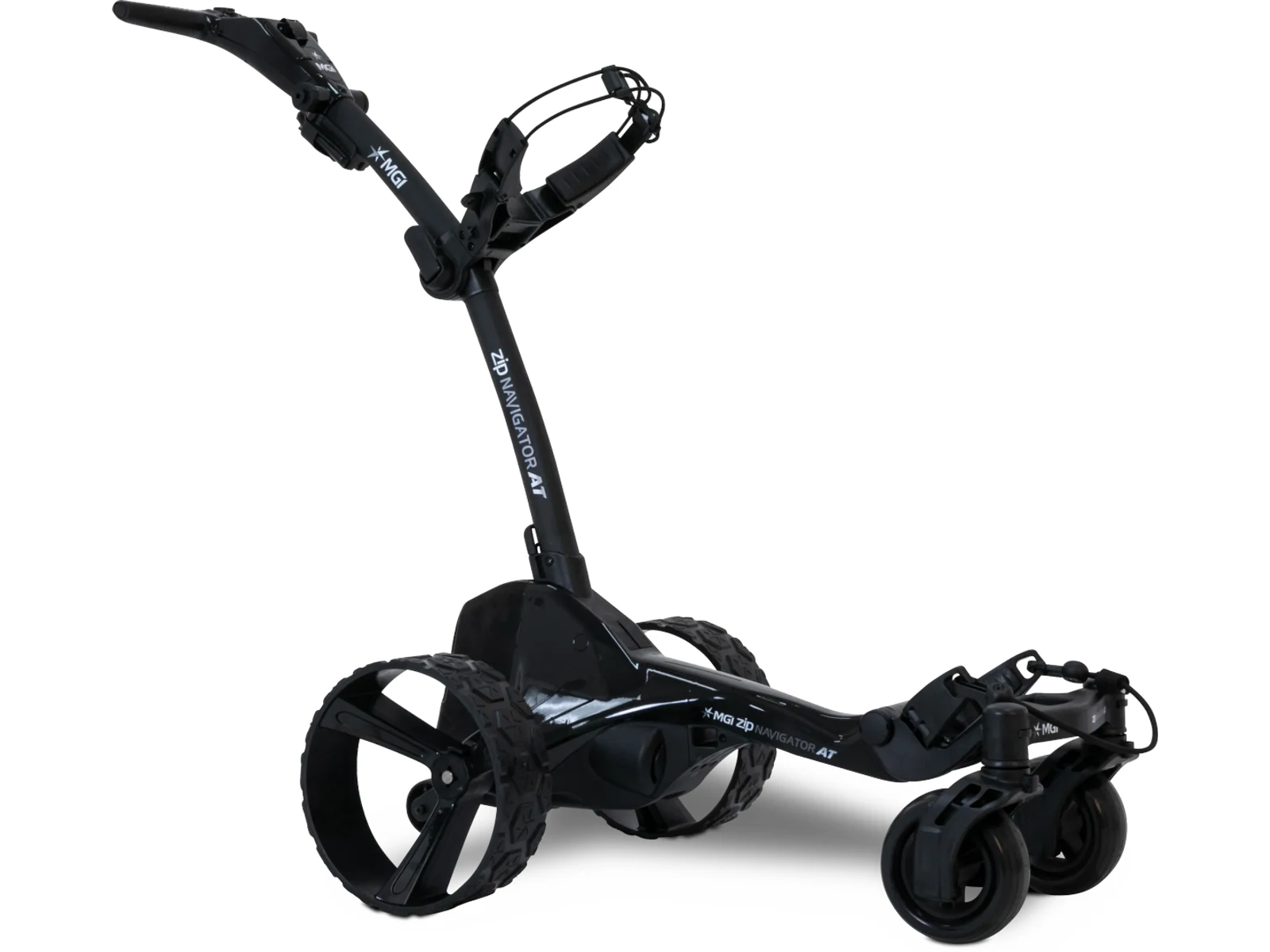
Park in shade or under cover, and avoid leaving a walk-behind buggy or its battery in a hot car boot between rounds. If you carry the MGI 24V battery in the car, keep it out of the boot on hot days and carry it in the cabin where the air conditioning helps.
- •Shade or a covered carport is better than full sun.
- •Never leave a battery in a parked car on a hot day.
- •Give the buggy time to cool down before charging after a hot round.
Charging in hot weather
Charge in a shaded, ventilated spot on a hard, non-combustible surface, using the charger made for that battery. Do not cover the battery or charger while charging, and do not charge a battery that is visibly damaged or swollen. See our MGI battery and charger guide for the right charger for each battery.
Storing over summer
If you will not use the buggy for weeks, charge the battery to around 40 per cent, store it in a cool, dry spot and check it every month or two. Our winter storage guide explains the same routine and applies just as well in summer. Disconnect and keep it away from fuel or clutter.
Signs to stop using a battery
Stop using a battery that is hot to the touch when idle, swollen, leaking or smells unusual. Keep it outside in a ventilated area and contact the maker or seller. In an emergency with smoke or fire, leave the area and call Triple Zero (000).
Heat and your round
Play early or late on very hot days. A battery that is already hot from the boot or the sun starts the round at a disadvantage, and a hot controller and motors work harder on hills. Carry water, and give the buggy a break in the shade between nines. If anything feels unusually hot, stop and let it cool.
Tyres, seats and electronics
Hot weather also affects tyre pressure, vinyl seats and phone mounts or GPS screens. Check tyre pressure when the tyres are cold, shade the seats and keep screens out of direct sun. Our tyres guide and accessories range cover these items. A cover protects the dash and seats when the buggy is parked outside.
Choosing a battery for hot climates
Ask the maker how the battery is designed to handle heat, how it is protected and what the warranty covers. Our lithium and lead-acid battery guide compares the two chemistries. We stock MGI lithium batteries and chargers, and the Queensland Fire Department and the ACCC both publish guidance on safe storage and use of lithium-ion batteries.
Frequently Asked Questions
Atlas 4-Passenger Lifted Lithium Buggy
48V Lithium, 3-inch Factory Lift, Custom Leather Seats, Touchscreen Display, 14-inch Alloy Wheels. Available for immediate dispatch from our Yatala QLD depot with nationwide enclosed delivery.
More Australian Golf Buggy Guides
Electric Golf Buggy Troubleshooting Guide: Diagnosing Motor, Controller & Solenoid Faults
Step-by-step diagnostic guide for common electric golf buggy problems. Learn how to test solenoids, identify controller LED error codes, and source spare parts.
Electric Golf Buggy Maintenance Schedule: Monthly, Quarterly & Annual Checks for Longevity
A preventive maintenance guide for Australian electric golf buggies and utility carts. Brake fluid flushes, differential oil, tyre rotations, and electrical contact care.
Golf Buggy Winter Storage & Long-Term Care: Preventing Deep Discharge & Electronic Faults
Proven off-season care tips for electric golf buggies across southern Australia. State of charge optimization, moisture mitigation, tyre preservation, and rodent deterrence.