
Electric Golf Buggy Troubleshooting Guide: Diagnosing Motor, Controller & Solenoid Faults
Electric golf cart has power but won t move: Step-by-step diagnostic guide for common electric golf buggy problems. Learn how to test solenoids, identify controller LED error codes, and source spare parts.
Safety First: Working with High-Amperage 48V Golf Buggy Systems
Modern electric golf buggies operate at 36V, 48V, or 72V DC, capable of discharging hundreds of cold-cranking amps. Before attempting any diagnostic check or component replacement, you must locate the Tow/Run switch under the front seat and switch it to "TOW" to de-energize the controller logic circuits. Disconnect the main battery negative terminal and remove all metal watches, rings, and jewelry to prevent accidental arcing.
Symptom 1: Solenoid Clicks, But Buggy Refuses to Move
This is the single most common fault reported by golf buggy owners. When you turn on the key, select forward, and press the accelerator, you hear a sharp "click" from the heavy-duty solenoid under the seat, but the motor remains stationary:
- •Test Solenoid Contacts: Connect a DC voltmeter across the two large solenoid copper terminals. In standby, you should read full pack voltage (48V+). When the pedal is depressed and the solenoid clicks, the voltage between these terminals should drop to 0V. If voltage remains above 1V, the internal copper contact disc is burned and the solenoid must be replaced.
- •Inspect Motor Brushes (DC Motors): On traditional DC carts, carbon brushes wear down over time. Carbon dust build-up can prevent current transfer to the armature. Gently tap the motor housing with a rubber mallet—if the cart moves momentarily, the brushes are worn out.
- •Verify Electronic Park Brake Disengagement: On modern AC buggies (like EZGO RXV or Evolution models), check whether the motor-mounted automatic park brake is disengaging when the pedal is pressed.
Symptom 2: Jerky Takeoff or Speed Cutting Out (MCOR / Throttle Sensor)
If your buggy stutters during initial acceleration, cuts out over bumps, or creeps forward when you release the throttle pedal, the issue almost always stems from the throttle position sensor (often called an MCOR on Club Car models or an inductive throttle sensor on EZGO). Over thousands of pedal strokes, moisture and micro-wear degrade the internal carbon resistive track, sending erratic voltage signals to the controller.
Symptom 3: Reading Motor Controller Diagnostic LED Codes
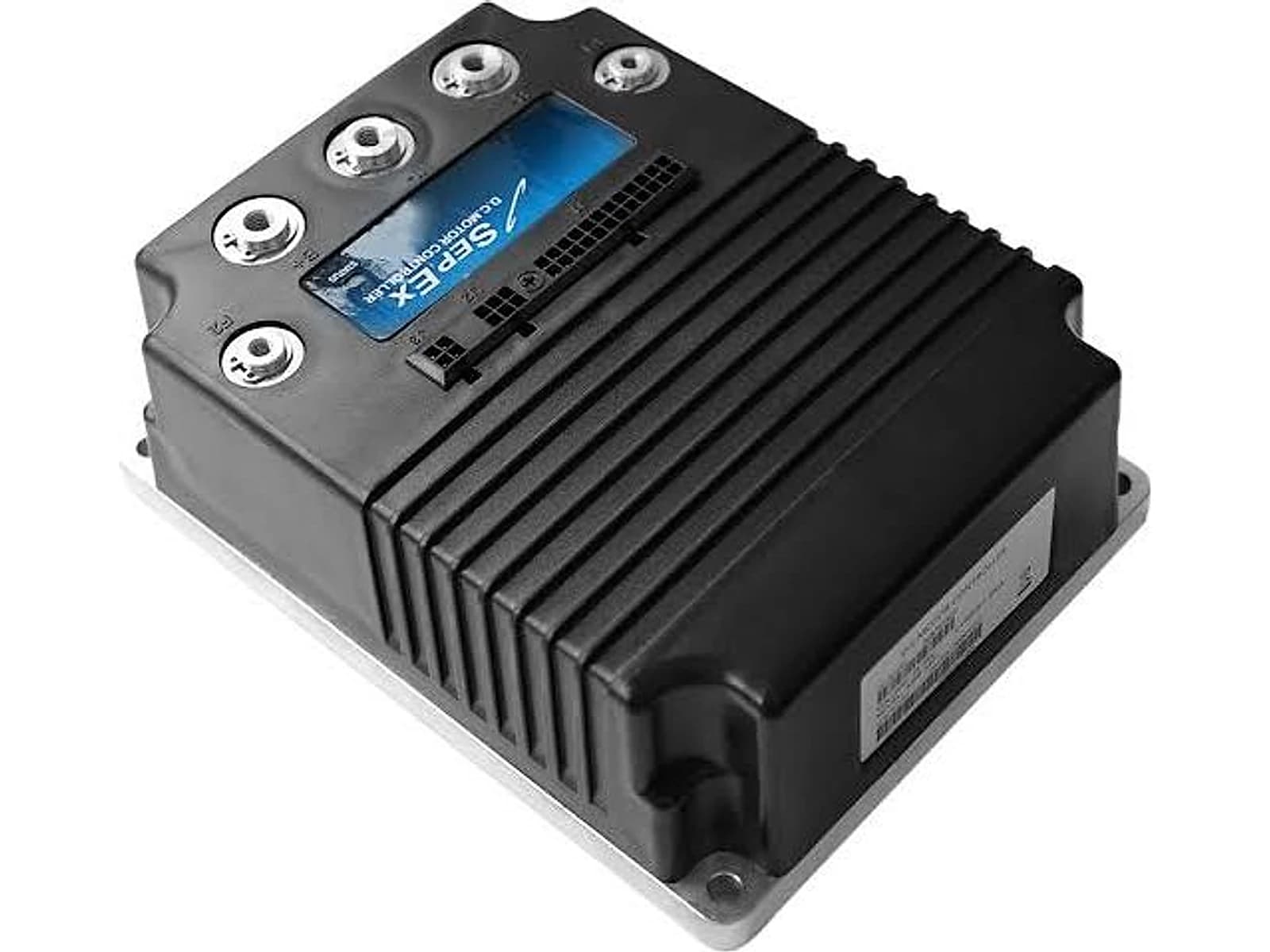
Modern motor controllers (such as Curtis 1268, Navitas, and Toyota controllers) feature a small diagnostic LED window on the controller casing. When a fault occurs, this light flashes a numbered sequence (for example, 2-1 for low battery voltage, 3-2 for throttle signal out of range, or 4-1 for over-temperature thermal protection). Refer to the manufacturer service chart to pinpoint the exact failing sensor or cable.
Sourcing Genuine Australian Spares from Yatala Depot
Attempting to repair high-performance electric carts with generic no-brand electrical parts sourced from overseas marketplaces often results in fried motor controllers and voided warranties. Golf Buggies Express PTY LTD stocks over 1,500 OEM-spec replacement components at our Yatala Queensland distribution center, including genuine solenoids, MCOR units, Curtis controllers, key switches, and wiring harnesses with fast dispatch nationwide.
Symptom 4: Reduced Range That Appeared Gradually
Range loss that crept up over months is usually the battery, but it is worth ruling out the cheap causes before assuming the expensive one. Under-inflated tyres increase rolling resistance measurably and are the most common non-battery culprit. Dragging brakes, whether from a seized caliper, a misadjusted drum or a partly engaged park brake, quietly consume energy the whole time you drive. Added weight from a fitted enclosure, extra seats or cargo left permanently in the tray has the same effect. Once those are eliminated, a battery test under load rather than a resting voltage reading is what identifies a tired pack, because a failing battery can show acceptable voltage at rest and collapse the moment current is drawn from it.
When to Stop and Call a Technician
Plenty of golf buggy faults are genuinely owner-serviceable, but some are not, and knowing the boundary protects both you and the vehicle. Anything involving opening a lithium battery pack belongs to a qualified technician without exception, because the energy stored is substantial and the packs are not designed to be user-serviced. The same applies to controller replacement and programming, where an incorrect parameter can damage the motor. Signs that should stop work immediately include any smell of burning, visible swelling or leaking from a battery, discoloured or melted connectors, and any component too hot to touch comfortably. Photograph the fault, note exactly what you were doing when it appeared, and describe both when you call. That detail shortens diagnosis considerably.
Frequently Asked Questions
Curtis 1268 400A Programmable Motor Controller
400 Amp Peak Output, Regenerative Braking Control, Programmable Curves. Available for immediate dispatch from our Yatala QLD depot with nationwide enclosed delivery.
More Australian Golf Buggy Guides
Electric Golf Buggy Maintenance Schedule: Monthly, Quarterly & Annual Checks for Longevity
A preventive maintenance guide for Australian electric golf buggies and utility carts. Brake fluid flushes, differential oil, tyre rotations, and electrical contact care.
Golf Buggy Winter Storage & Long-Term Care: Preventing Deep Discharge & Electronic Faults
Proven off-season care tips for electric golf buggies across southern Australia. State of charge optimization, moisture mitigation, tyre preservation, and rodent deterrence.
Must-Have Golf Buggy Accessories & Spare Parts in Australia: From Umbrella Mounts to Sand Buckets
The top 10 essential golf buggy accessories and replacement spares for Australian courses. Sun protection, sand buckets, drink coolers, and spare wheels.