
Electric Golf Buggy Maintenance Schedule: Monthly, Quarterly & Annual Checks for Longevity
Servicing electric golf buggy: A preventive maintenance guide for Australian electric golf buggies and utility carts. Brake fluid flushes, differential oil, tyre rotations, and electrical contact care.
Why Scheduled Preventative Maintenance Saves Thousands
Electric golf buggies are renowned for their mechanical simplicity compared to internal combustion vehicles. However, operating heavy 4-passenger and utility carts across Australian gravel driveways, coastal salt air, and rough acreage paddocks places significant stress on steering linkages, suspension bushings, and high-amperage electrical contacts. Adhering to a structured maintenance timeline ensures peak reliability and protects vehicle resale value.
Monthly Inspections: Tyres, Brakes & Battery Terminals
Performing a quick 10-minute visual inspection each month catches small issues before they evolve into costly mechanical failures:
- •Tyre Pressure: Check cold tyre pressures with a reliable digital gauge. Underinflated tyres create rolling drag that depletes battery range by up to 20%. Maintain 18–22 PSI for golf turf and 24–28 PSI for street driving.
- •Brake Pedal Travel: Confirm the mechanical or hydraulic brake pedal engages firmly within the first 30mm of travel without sponginess.
- •Terminal Inspection: On lithium carts, check that main cable bolts remain torqued to manufacturer spec (typically 8–10 Nm). On lead-acid carts, neutralize any white powdery corrosion using baking soda and warm water.
Quarterly Servicing: Suspension Greasing & Alignment Check
Every three months (or 50 operating hours), the chassis requires targeted mechanical attention. Front kingpins, steering rack ball joints, and suspension A-arms are fitted with grease zerks. Inject two pumps of high-grade marine lithium grease into each fitting until fresh grease purges past the rubber dust boot. Inspect front wheel toe-in: improper alignment of more than 3mm causes rapid scalloping on all-terrain tyres.
Bi-Annual Checks: Hydraulic Brake Fluid & Cable Tension
Modern buggies feature 4-wheel hydraulic disc brakes. Over time, moisture from humid Australian weather can enter the master cylinder reservoir, lowering the boiling point of the brake fluid. Inspect the sight glass: if the fluid has turned dark amber or brown, perform a complete DOT 4 fluid flush. For models with mechanical rear drum brakes, adjust the cable equalizers under the floorboard to ensure symmetrical braking.
Annual Major Overhaul: Differential Gear Oil & Motor Inspection
Once per year, drain and refill the rear transaxle differential with fresh SAE 80W-90 or 75W-90 gear lubricant. This removes microscopic metal shavings from heavy towing and hill climbs. If your cart features a traditional DC motor, remove the motor inspection band to check carbon brush length; if the cart has a modern brushless AC motor, blow compressed air through the motor cooling fins to remove dry grass and trail debris.
Genuine Service Support from Yatala Workshop
Golf Buggies Express PTY LTD maintains a dedicated service and parts inventory at our Yatala Queensland hub. Whether you need OEM brake pads, replacement tie rod assemblies, heavy-duty solenoids, or routine servicing kits, we dispatch express across every Australian state.
Keeping Service Records and Protecting Resale Value
A documented service history is worth real money at resale, and it costs nothing but discipline to keep. Buyers of second-hand buggies are rightly wary, because the expensive unknown is battery condition and there is no odometer that tells the story. A simple record of dates, work performed, battery purchase date and any parts replaced answers the question a cautious buyer is actually asking, and it consistently separates a confident sale from a haggled one. Keep receipts for battery replacement in particular, since pack age is the single most valuable data point about a used electric buggy. A dated photograph of the battery label at purchase takes seconds and settles arguments years later when the label has become unreadable.
Building a Basic Home Tool Kit
Most routine golf buggy maintenance needs a surprisingly short list of tools, and having them on hand is the difference between doing the ten-minute job and postponing it indefinitely. A decent tyre gauge and a pump that reaches low pressures accurately covers the most frequent check. A multimeter lets you read pack and individual battery voltages, which is the fastest way to identify a weak cell in a lead-acid bank. Insulated spanners matter when working anywhere near battery terminals, because an uninsulated tool bridging a terminal to the frame produces a violent short. Add a wire brush and terminal protectant for corrosion, a torque wrench for wheel nuts, and a hose. That set handles the great majority of owner-level work safely.
Frequently Asked Questions
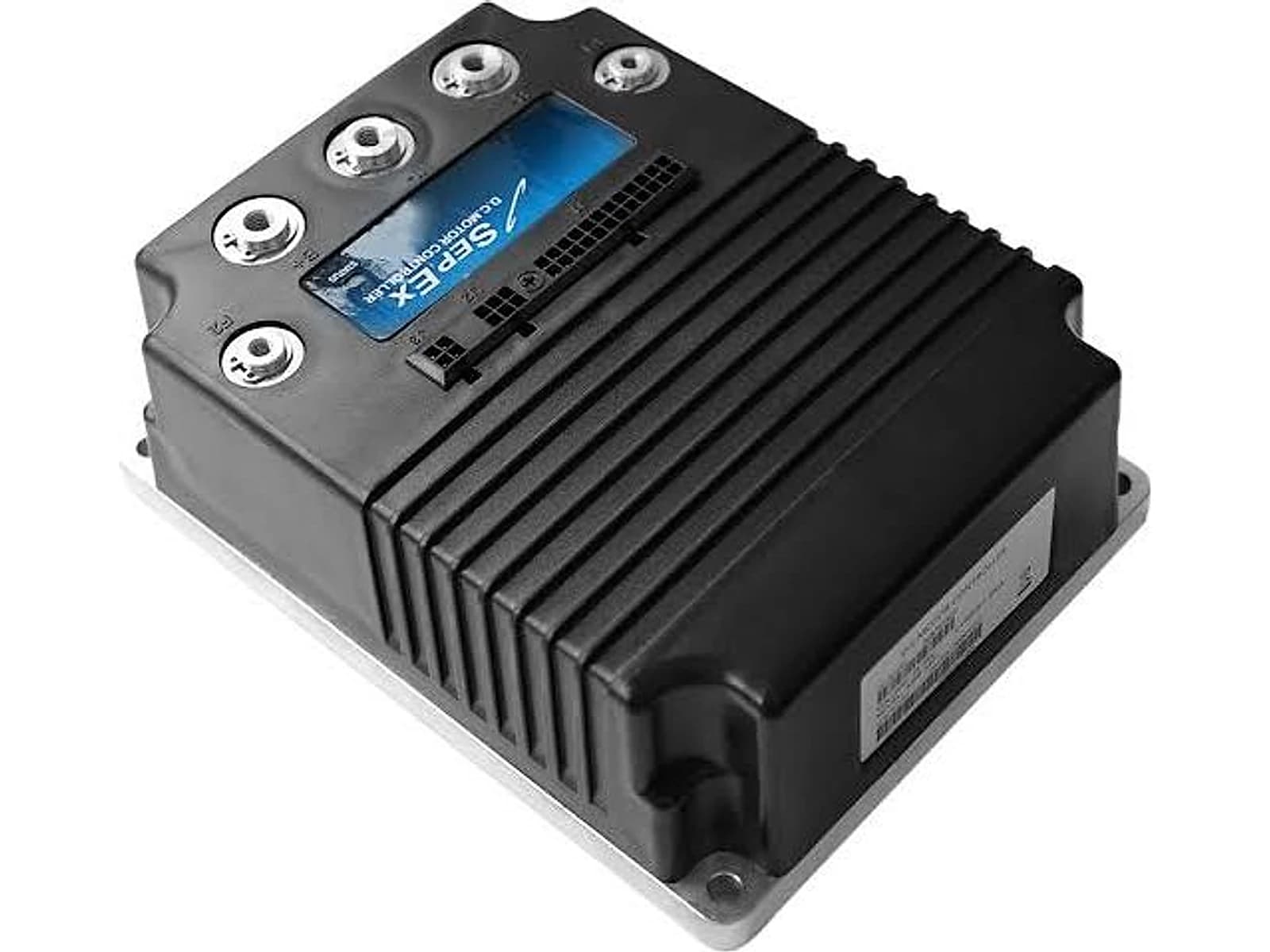
Curtis 1268 400A Programmable Motor Controller
400 Amp Peak Output, Regenerative Braking Control, Programmable Curves. Available for immediate dispatch from our Yatala QLD depot with nationwide enclosed delivery.
More Australian Golf Buggy Guides
Electric Golf Buggy Troubleshooting Guide: Diagnosing Motor, Controller & Solenoid Faults
Step-by-step diagnostic guide for common electric golf buggy problems. Learn how to test solenoids, identify controller LED error codes, and source spare parts.
Golf Buggy Winter Storage & Long-Term Care: Preventing Deep Discharge & Electronic Faults
Proven off-season care tips for electric golf buggies across southern Australia. State of charge optimization, moisture mitigation, tyre preservation, and rodent deterrence.
Must-Have Golf Buggy Accessories & Spare Parts in Australia: From Umbrella Mounts to Sand Buckets
The top 10 essential golf buggy accessories and replacement spares for Australian courses. Sun protection, sand buckets, drink coolers, and spare wheels.