
Golf Buggy Chargers Explained: Amperage, Charge Times & Choosing The Right Charger
Golf buggy charger australia: How golf buggy chargers actually work, why matching amperage and chemistry matters more than the price on the box, and realistic charge times on a standard Australian power point.
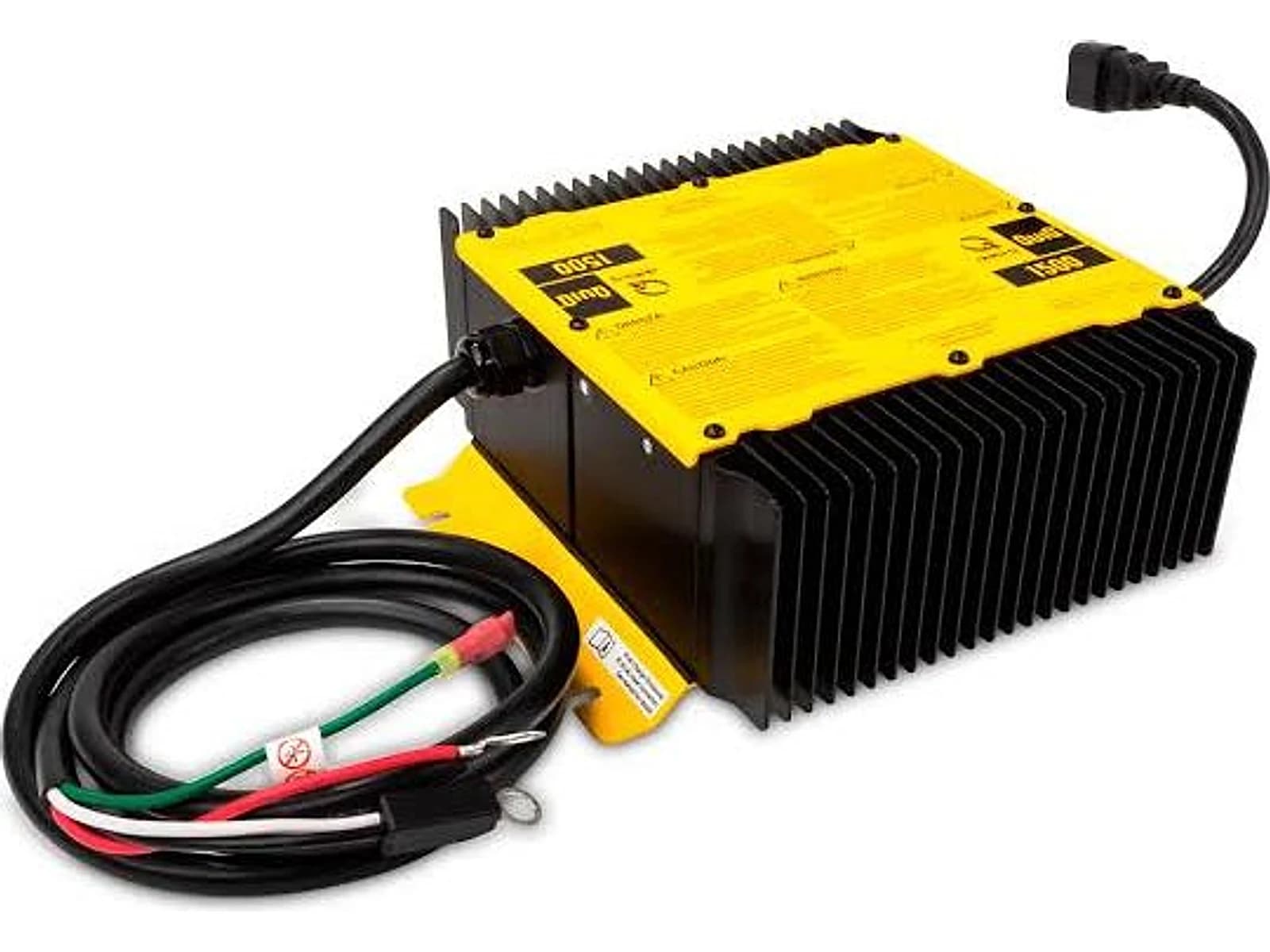
What A Golf Buggy Charger Actually Does
A golf buggy charger isn't just a power adaptor — it manages the charge curve delivered to the pack, tapering current as the battery approaches full to avoid overcharging and, on a smart charger, adjusting that curve automatically based on the pack's current condition. A basic charger applies one fixed profile regardless of battery health; a smart charger reads the pack and adapts, which is why two chargers with the same wattage rating on the box can treat a battery very differently over its life.
Matching The Charger To Your Battery Chemistry
The single most important compatibility check is chemistry, not just voltage. A charger built for lead-acid applies a charge profile that assumes the battery needs periodic equalisation and can tolerate a certain amount of overcharge; a lithium pack does not work the same way and using a lead-acid charger on it is a genuine safety and longevity risk rather than a minor mismatch. Always confirm a replacement or conversion charger is rated for the specific chemistry in your pack before plugging it in.
On-Board Vs Off-Board Chargers
On-board chargers, like the Delta-Q QuiQ 48V smart charger we stock, are wired permanently into the buggy so charging is as simple as plugging into any standard power point wherever the vehicle is parked. Off-board chargers sit separately and connect via a charging port, which suits fleets or owners who charge in a dedicated bay rather than wherever the buggy happens to be. Most private owners find an on-board charger more convenient day to day.
- •On-board: wired in permanently, plug in anywhere the buggy is parked
- •Off-board: separate unit, suits dedicated charging bays and fleets
- •Both should be chemistry-matched to the pack, not just voltage-matched
Realistic Charge Times On A Standard Outlet
A 48V lithium pack charging from roughly 20% to full typically takes 2.5 to 3.5 hours on a standard Australian 240V 10A wall outlet, comfortably within an overnight charge window. Lead-acid packs generally take longer to reach a genuine full charge because the final stage of the curve tapers more slowly, which is one of the practical differences buyers underestimate when comparing the two chemistries on paper.
Solar Charging As A Supplement, Not A Replacement
For properties without a convenient power point near where the buggy is parked, a solar charging panel expansion kit can top up the pack during the day, but it supplements mains charging rather than replacing it — Australian daylight and panel size make a full charge from solar alone unrealistic for most owners. Treat it as extending range between mains charges, not as removing the need for one.
Signs Your Charger Needs Replacing
A charger that runs noticeably hotter than it used to, takes visibly longer to reach a full charge, or fails to taper off and simply stops abruptly are all signs it's failing or was never correctly matched to the pack. Because a mismatched or failing charger can shorten battery life significantly, it's worth replacing promptly with a correctly rated unit rather than continuing to use one that's behaving unusually.
Charging safely in summer and bushfire season
Charge on a hard, non-combustible surface with the charger made for the battery, in a ventilated spot away from fuel, clutter and sun. The Queensland Fire Department also advises checking for the Regulatory Compliance Mark. Our bushfire season and summer heat guides expand on this.
Frequently Asked Questions
Delta-Q QuiQ 48V Smart On-Board Charger
Multi-Profile Charging Algorithms, Weatherproof Sealed Enclosure. Available for immediate dispatch from our Yatala QLD depot with nationwide enclosed delivery.
More Australian Golf Buggy Guides
Electric Buggy in Australia: What the Term Actually Covers and Which One You Need
Electric buggy means three very different vehicles in Australia. Here is what each one does, what they cost, and how to work out which you are shopping for.
Electric Golf Buggy Australia: The Complete Guide to Choosing, Charging and Owning One
Everything Australian buyers need on electric golf buggies: lithium versus lead-acid, seat counts, charging at home, heat, and what they actually cost.
Golf Buggy Parts and Spares in Australia: What to Stock and What to Source
Which golf buggy parts are worth keeping on hand, which need a technician, and why Australian parts availability decides a buggy's real lifespan.