
Electric Buggy in Australia: What the Term Actually Covers and Which One You Need
Electric buggy means three very different vehicles in Australia. Here is what each one does, what they cost, and how to work out which you are shopping for.
One Phrase, Three Very Different Vehicles
Electric buggy is one of the least precise phrases in Australian retail, and it costs buyers money. It is used for a walk-behind trolley that carries a golf bag while you walk, for a ride-on golf buggy that carries people, and for a commercial utility vehicle that carries loads. Those are not variations on a theme; they are separate products with separate jobs and prices that differ by a factor of twenty. Getting the category right is the entire decision. Everything after it is detail.
Category One: Walk-Behind Electric Trolleys
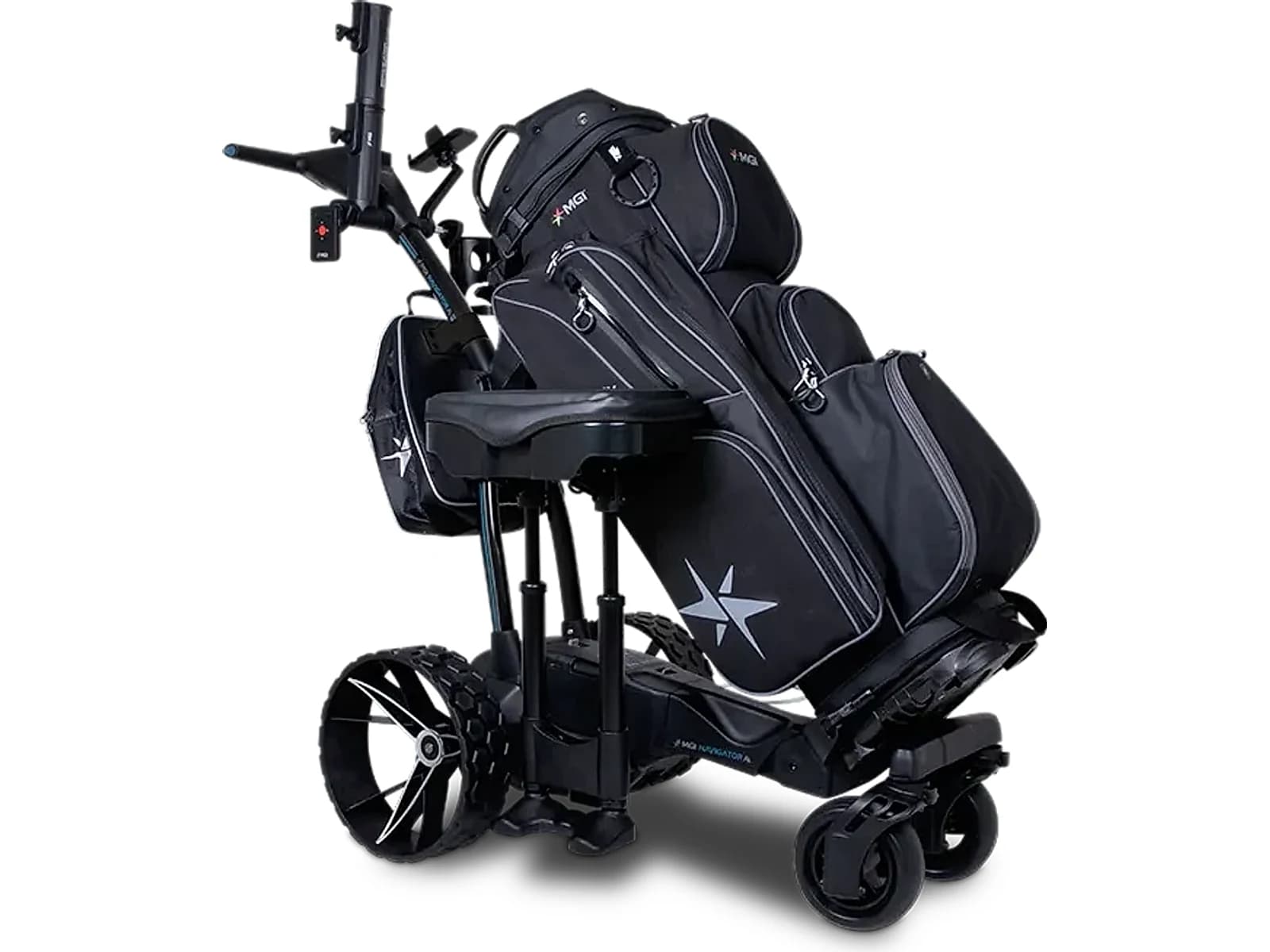
The smallest and cheapest sense of the term. A lithium-powered frame drives itself along while you walk beside it carrying nothing, replacing the sustained forward push through your shoulders and lower back. Entry models use a single variable speed dial and start around $1,300. Higher up you get downhill speed control, electronic park brakes, GPS touchscreens, full directional remote control and hands-free follow that tracks a tag on your belt. If you are buying for golf and you walk your course, this is almost certainly your category.
Category Two: Ride-On Electric Golf Buggies
The vehicle most people picture. Two, four or six seats, lithium powered, used on courses, in gated estates, around large properties and at resorts. Prices run from roughly $8,000 for a straightforward two-seater to over $27,000 for a lifted luxury four-seater. Within the category the meaningful variables are seat count, ground clearance and braking, in that order. A flat estate and a steep acreage block point at very different specifications even at the same price, which is why the question we ask first is about your ground rather than your budget.
Category Three: Electric Utility Vehicles
Built to carry loads rather than passengers, with cargo trays, tow hitches and payload ratings measured in hundreds of kilograms. Councils, resorts, turf teams, nurseries and commercial farms buy these. The electric argument here is unusually strong: no fuel handling or storage, no engine servicing, no exhaust around staff and guests, and no idling. What replaces those costs is a battery replacement at some future point, which is a single planned expense rather than a gradual decline. Budget for it from year one and the economics stay predictable.
Working Out Which You Are Actually Shopping For
Three questions settle it. What is being carried, a golf bag, people, or a load? Where does it happen, a manicured course, an estate road, or rough ground? And how far, a round of golf or a working day? Answer those and the category falls out immediately, usually with an obvious model or two inside it. Buyers who start from a price instead frequently end up with a vehicle that technically works but is the wrong tool, which is a more expensive mistake than paying a little more for the right one.
Frequently Asked Questions
Atlas 4-Passenger Lifted Lithium Buggy
48V Lithium, 3-inch Factory Lift, Custom Leather Seats, Touchscreen Display, 14-inch Alloy Wheels. Available for immediate dispatch from our Yatala QLD depot with nationwide enclosed delivery.
More Australian Golf Buggy Guides
Golf Car, Golf Buggy or Golf Cart? What Australians Actually Call Them and Why It Matters
Golf car, golf buggy and golf cart mean the same vehicle in Australia but signal different things. Here is the terminology and why it affects your search.
Used Golf Carts for Sale in Australia: The 12 Checks Before a Buggy Goes on Our Floor
What a reconditioned golf buggy is actually inspected for at our Yatala QLD depot, and the checks worth making yourself on any private sale.
Second Hand Golf Buggies for Sale in Australia: What They Are Actually Worth
How to value a second hand golf buggy in Australia, what depreciates fastest, and which models hold their price years after purchase.