
Commercial Utility Buggies for Australian Resorts, Vineyards & Worksites
Electric golf cart utility vehicle: Cargo bed capacities, aluminum versus steel frames, towing limits, and commercial warranty support for high-duty Australian operations.
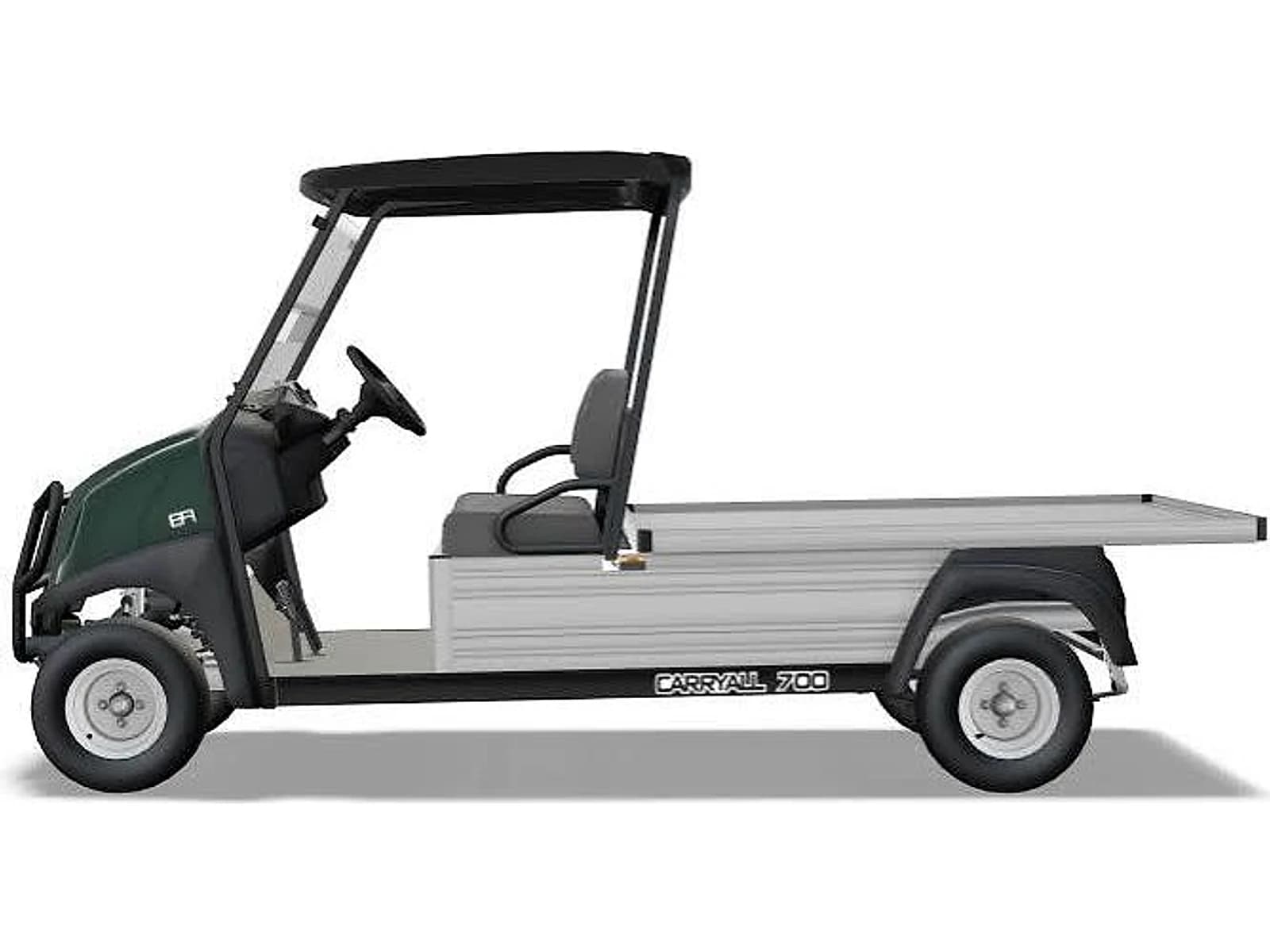
The Modern Commercial Utility Buggy
From Hamilton Island hospitality resorts to Yarra Valley vineyards and Brisbane industrial manufacturing plants, electric utility carts are replacing noisy diesel utes for short-haul material handling. They produce zero fumes in indoor or covered breezeways, cost pennies per kilometer to run, and fit through narrow 1.3-meter pathways where road vehicles cannot venture.
Bed Capacity, Tow Ratings, and Frame Durability
When specifying commercial utility vehicles, frame rigidity and payload ratings are critical. Commercial models in our Yatala lineup feature reinforced box-beam frames with hydraulic dump beds capable of handling dirt, gravel, turf equipment, and bulk waste without chassis twisting.
Tax Deductions and Immediate Asset Write-Off
Because Golf Buggies Express PTY LTD is a registered Australian company (ABN 28 668 598 758), all commercial purchases come with compliant GST Tax Invoices. Australian businesses and primary producers may be eligible for instant asset write-off schemes under current ATO capital allowance provisions.
Fleet Charging Infrastructure and Shift Planning
The question that decides whether an electric fleet works is not vehicle range but charging logistics. A single buggy charges overnight from a standard outlet without any thought, but six vehicles sharing a maintenance shed need enough circuits to charge simultaneously without tripping a breaker, and somewhere sensible to park while they do. Sites running two shifts need to think harder still, because a vehicle charging is a vehicle not working. In practice most operations solve this by sizing battery capacity so a full shift never needs a mid-day top-up, rather than by trying to fast-charge between runs. Lithium packs help here because they tolerate opportunity charging during breaks without the memory effects and cycle penalties that punished older chemistries for partial charging.
Operator Safety and Site Speed Management
Commercial sites carry duty-of-care obligations that private owners do not, and a utility buggy shared between staff is a workplace vehicle. Practical controls matter more than policy documents: speed limiting so that inexperienced operators cannot travel too fast in pedestrian areas, seatbelts fitted and actually used on any vehicle crossing sloped ground, and a clear rule about maximum passengers so people stop riding on trays and tailgates. Some controller upgrades allow a restricted profile to be selected from the dashboard, which lets one vehicle run limited for general staff and unrestricted for trained operators. Reversing visibility is the other common gap, since a loaded cargo bed blocks the rearward view almost completely. Mirrors, a reversing alarm and a walk-around habit close most of that risk cheaply.
Total Cost of Ownership Across a Commercial Fleet
Purchase price is the smallest part of what a commercial buggy costs over its life. Across a fleet, the recurring numbers are servicing labour, consumables, downtime and eventual battery replacement, and electric vehicles change the shape of all four. There is no oil to change, no filters, no spark plugs and no fuel handling or storage, which removes both a cost line and a compliance obligation. Downtime shifts too: an electric drivetrain has far fewer wearing parts, but when a battery pack reaches end of life it is a single planned expense rather than a gradual decline. Budgeting for that replacement from year one, rather than treating it as a surprise, is what makes the long-term economics work in favour of electric across most resort and grounds applications.
Frequently Asked Questions
Club Car Carryall 700 Electric Utility
6-Foot Aluminum Cargo Box, 680kg Payload Capacity, Heavy-Duty Tow Hitch. Available for immediate dispatch from our Yatala QLD depot with nationwide enclosed delivery.
More Australian Golf Buggy Guides
Electric Utility Buggy Pricing in Australia: Purchase Costs, Battery Life & Running Economics
Transparent 2025 pricing analysis for electric utility buggies in Australia. Comparison of acquisition costs, 240V charging electricity, and maintenance savings.
Buying a Golf Buggy Fleet in Australia: Specification, Charging and Total Cost
How Australian clubs, resorts and councils should specify a golf buggy fleet, from charging infrastructure to standardising models and budgeting batteries.
Lithium vs Lead-Acid Golf Buggy Batteries: The Complete Australian Buyer Guide
Comparing real-world driving range, 8-year lifespan savings, hill climb torque, and maintenance differences for Australian golf courses and acreage estates.